










Furthermore, early adopters and tech enthusiasts are often drawn to beta software for its novelty and the opportunity to be among the first to experience and influence the development of a new product. This early access can provide users with a competitive edge, allowing them to familiarize themselves with software that may become an essential tool in the future.
In the vast and intricate landscape of digital software, the emergence of "Tuff Client Beta 11 Free" presents a fascinating case study. This particular software, offered as a beta version and made available at no cost, invites users into a complex realm of both potential and caution. The designation "beta" indicates that the software is still in a testing phase, suggesting that while it offers a glimpse into the final product's capabilities, it may also carry inherent risks and limitations.
As digital landscapes continue to evolve, the dynamics of software development, testing, and adoption will remain critical. The story of "Tuff Client Beta 11 Free" serves as a microcosm of these broader themes, highlighting the need for balanced enthusiasm and caution in the digital age. Whether or not to engage with such software is a decision that must be made with a clear understanding of both the opportunities and the challenges it presents.
To understand the implications of "Tuff Client Beta 11 Free," it's essential to first grasp the concept of beta software. Beta versions are released to the public after the initial, more private alpha testing phases. This stage is critical as it allows a broader audience to interact with the software, providing invaluable feedback to developers. The term "beta" inherently suggests a work in progress, a product that is still being refined. Consequently, users of beta software do so with the understanding that they may encounter bugs, incomplete features, or even crashes.
The offering of "Tuff Client Beta 11 Free" encapsulates the complexities of engaging with emerging digital products. It presents an opportunity for users to access potentially valuable software at no cost, contribute to its development, and possibly gain a competitive edge. However, it also requires a careful consideration of the risks involved, including potential instability, limited support, and the implications of using software that is still in development.
The AAC Language Lab offers real-life solutions in support of language development. Explore language stages and interactive materials designed for Speech Language Pathologists (SLPs), Educators and Parents. An annual subscription provides full access to all materials including guided lesson plans, an activities section, a language screener, implementation tips and more.
With over 50 years of experience in augmentative and alternative communication (AAC) PRC-Saltillo is pleased to offer this unique online resource.
We have made our service even better with all the new features and a lower price. For just $19.95 a year, you will have access to all of these valuable resources. tuff client beta 11 free
Furthermore, early adopters and tech enthusiasts are often drawn to beta software for its novelty and the opportunity to be among the first to experience and influence the development of a new product. This early access can provide users with a competitive edge, allowing them to familiarize themselves with software that may become an essential tool in the future.
In the vast and intricate landscape of digital software, the emergence of "Tuff Client Beta 11 Free" presents a fascinating case study. This particular software, offered as a beta version and made available at no cost, invites users into a complex realm of both potential and caution. The designation "beta" indicates that the software is still in a testing phase, suggesting that while it offers a glimpse into the final product's capabilities, it may also carry inherent risks and limitations. Furthermore, early adopters and tech enthusiasts are often
As digital landscapes continue to evolve, the dynamics of software development, testing, and adoption will remain critical. The story of "Tuff Client Beta 11 Free" serves as a microcosm of these broader themes, highlighting the need for balanced enthusiasm and caution in the digital age. Whether or not to engage with such software is a decision that must be made with a clear understanding of both the opportunities and the challenges it presents.
To understand the implications of "Tuff Client Beta 11 Free," it's essential to first grasp the concept of beta software. Beta versions are released to the public after the initial, more private alpha testing phases. This stage is critical as it allows a broader audience to interact with the software, providing invaluable feedback to developers. The term "beta" inherently suggests a work in progress, a product that is still being refined. Consequently, users of beta software do so with the understanding that they may encounter bugs, incomplete features, or even crashes. This particular software, offered as a beta version
The offering of "Tuff Client Beta 11 Free" encapsulates the complexities of engaging with emerging digital products. It presents an opportunity for users to access potentially valuable software at no cost, contribute to its development, and possibly gain a competitive edge. However, it also requires a careful consideration of the risks involved, including potential instability, limited support, and the implications of using software that is still in development.

Students can do a variety of Earth Day related activities.
Stage Four - Add More WordsLearn successful speech strategies with one of our lesson plans

This month we’re exploring how we can send kind, silly, or funny mes...
Stage All - All LevelsGet excited about AAC with activities that make learning fun
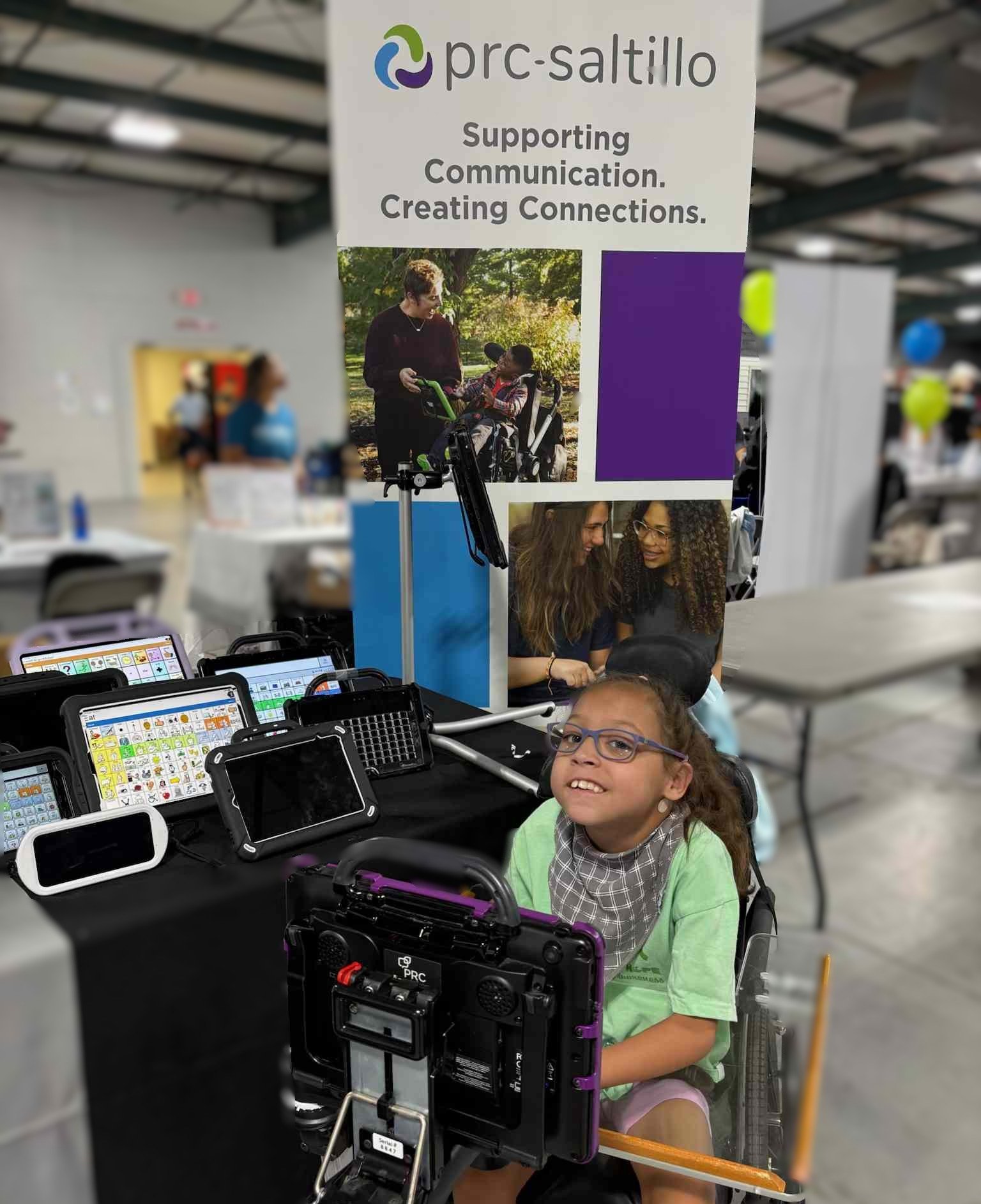
by Naiya Daves, PRC-Saltillo Ambassador This summer I did a 3 w...
Blog Post - Dec 02 2025Read the latest blogs and find out what's going on in the AAC community

The student will speak using single words.
Stage One - Use Single WordsSee this month's most popular lesson plan
Encourage the student to direct the behavior of others using negatives...
Stage One - Express NegativesSee this month's most popular activity